
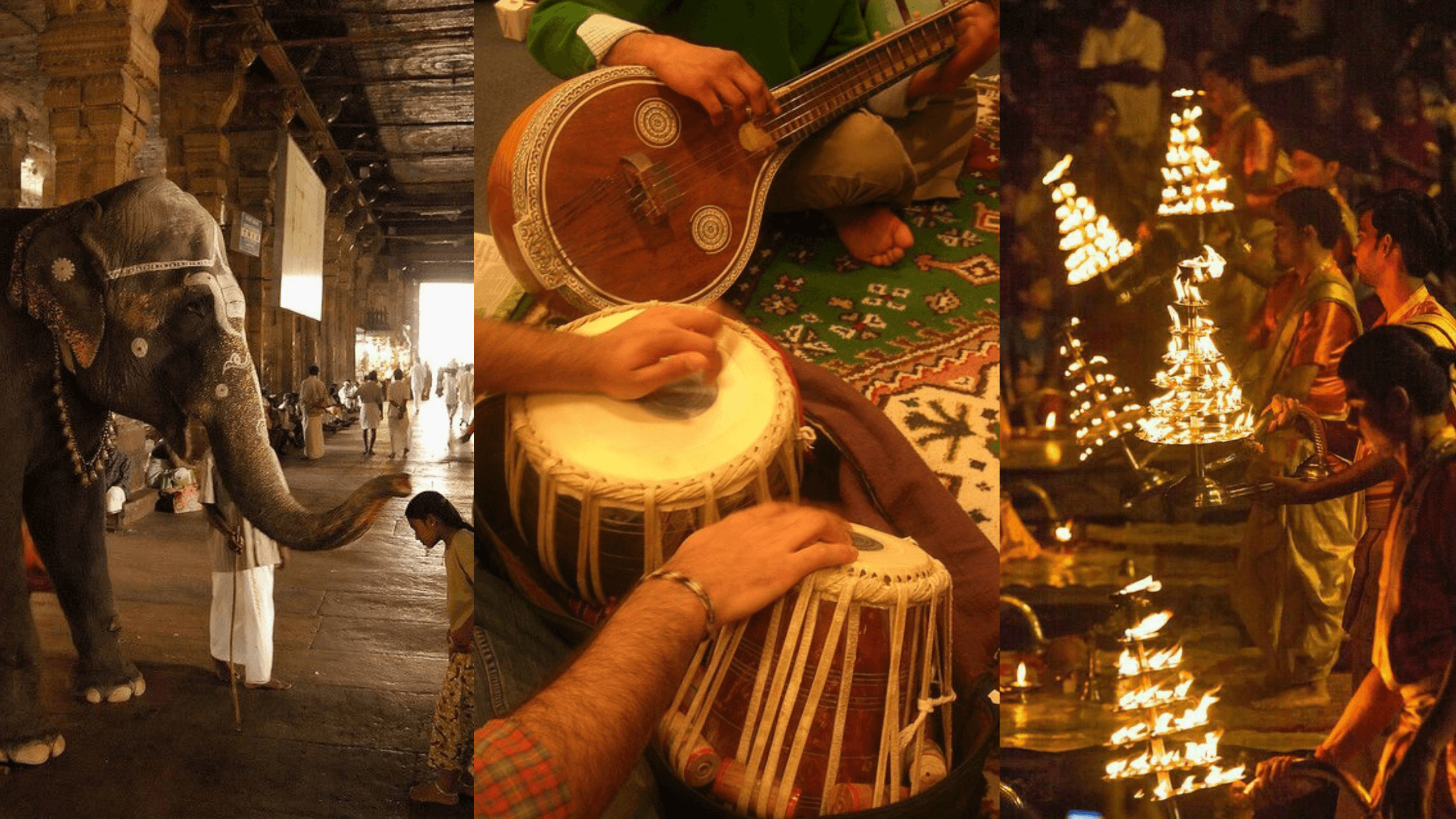
Why Understanding Culture Matters
It’s easy to travel and see India.
But to really know it? You have to understand it.
Not just the monuments. But daily life happens around them.
Because the best trips aren’t just about ticking off sights. They’re about moments that stay with you.
What Makes Culture VisibleWhat Makes Culture Visible
India doesn’t tell its story only in palaces or forts.
It speaks in:
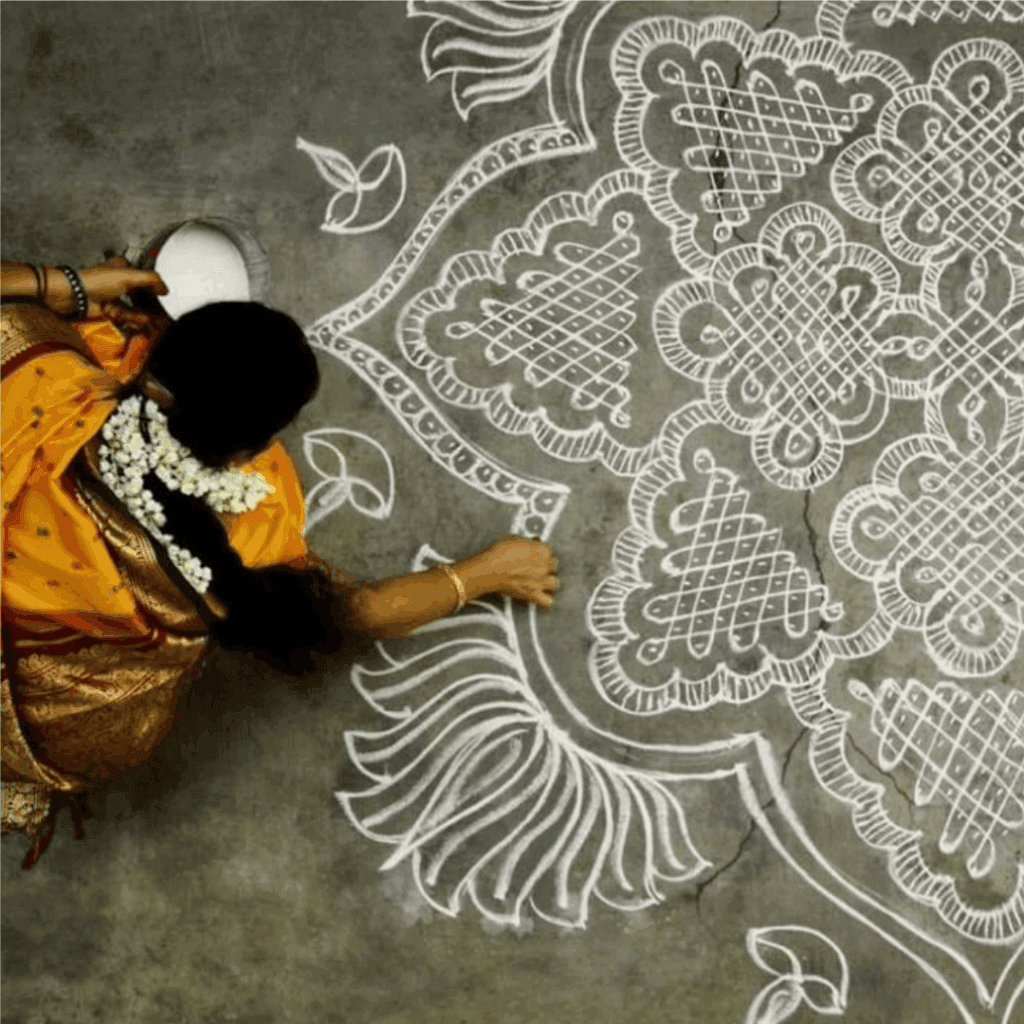
- A mother shows her child how to draw a rangoli at dawn.
- Neighbors sharing sweets during Diwali.
- Shopkeepers greet strangers with bhai (brother) or didi (sister).
These aren’t performances. They’re everyday life.
Must Visit:
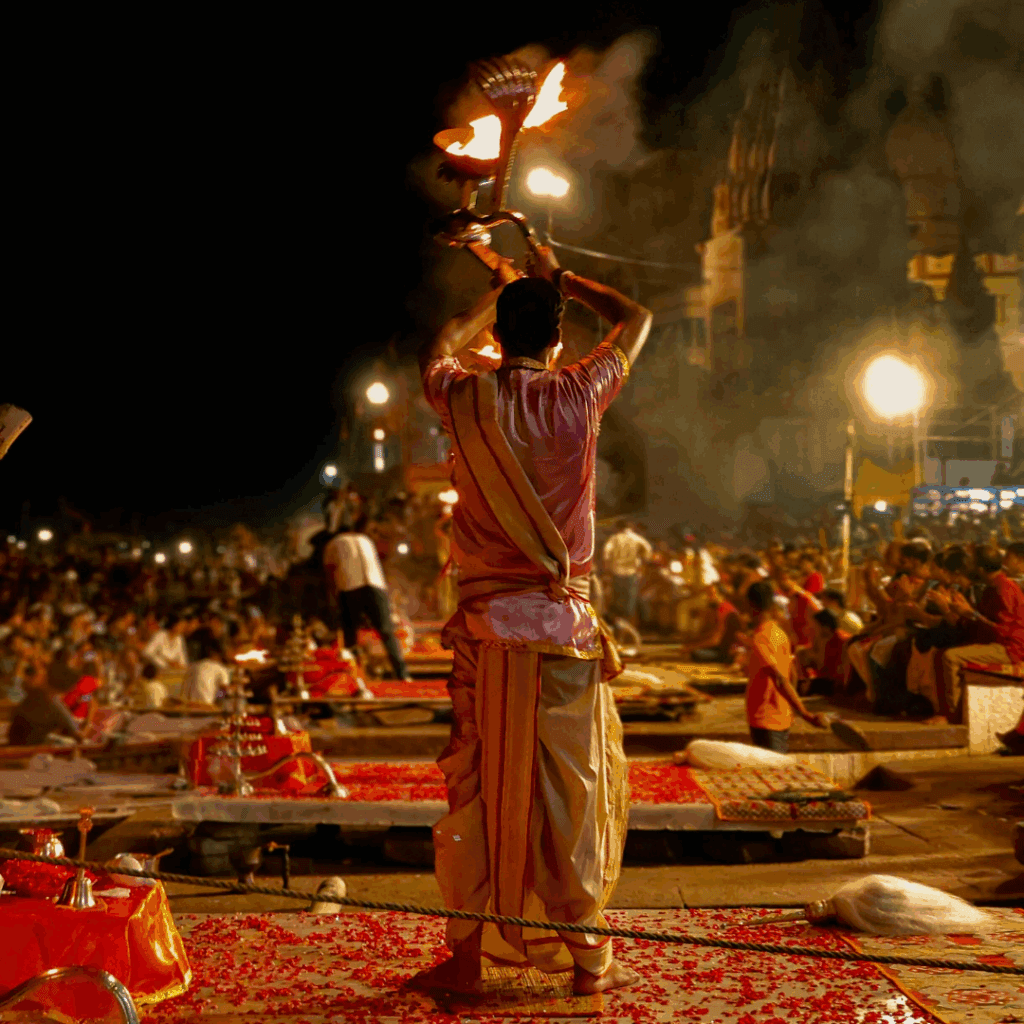
Watch evening aarti at Varanasi’s Assi Ghat or Ganga Ghats in Rishikesh for this ritual on a grand, shared scale.
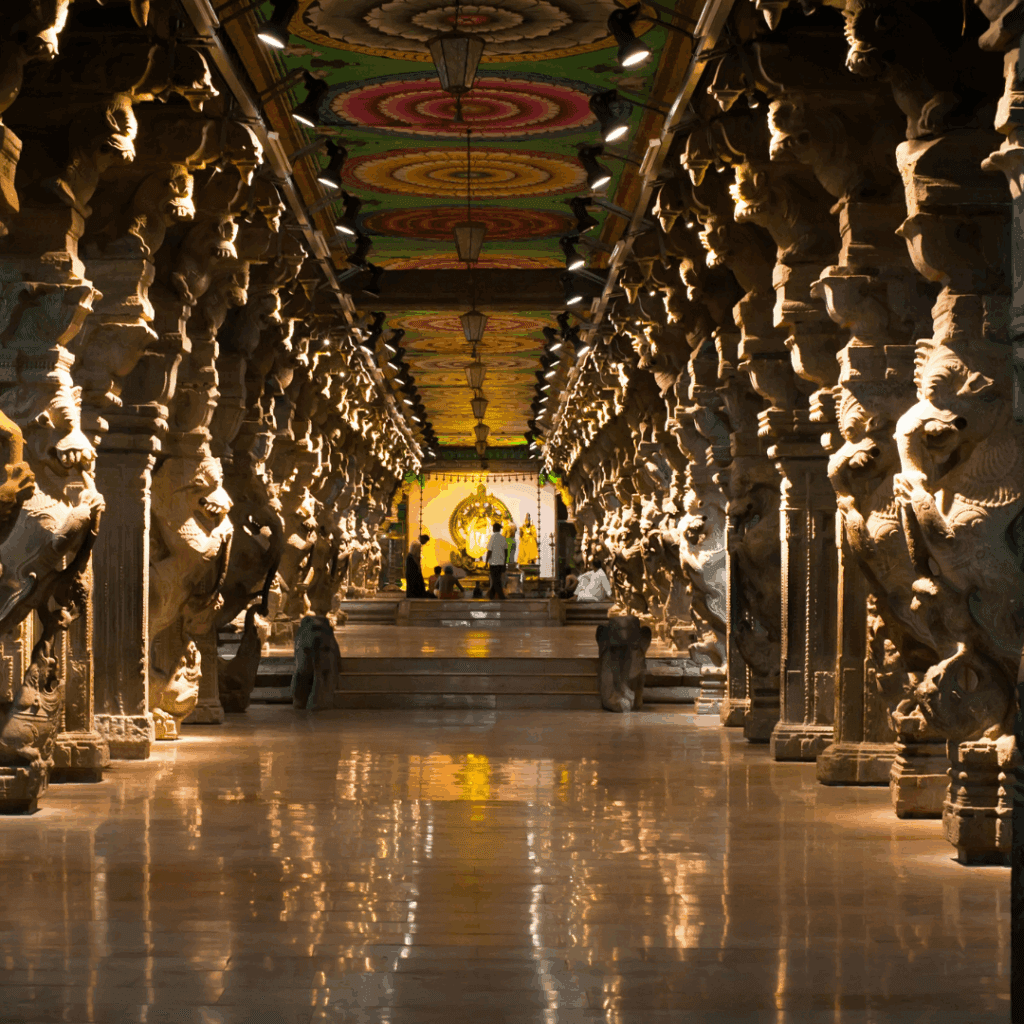
Walk through South Indian towns like Madurai or Coimbatore at dawn to see fresh rangoli at every doorstep.
The Value of Hospitality
India’s hospitality isn’t just service. It’s a way of life.
Atithi Devo Bhava-“Guest is God”-means welcoming you like family.
- Being offered water the moment you arrive is a ritual and respect.
- Shopkeepers offering you chai even if you don’t buy is friendship.
- Invitations to join festivals-even as a stranger-are real.
Must Visit:
Join a family-run homestay in Jaipur or Kochi to truly experience this personal hospitality.
Rituals That Shape Daily Life
Travelers often notice the big temples. But rituals are everywhere.
- Lamps lit at dusk in family courtyards.
- Fresh flowers on tiny shrines at crossroads.
- Incense curls around market stalls.
These acts aren’t for show. They’re quiet promises. Thanks for the blessings. Invitations for good fortune.
Did You Know?
Rangoli patterns are redrawn every morning to welcome prosperity. Each design is unique, passed down in families without written rules.
Food: More Than Just Eating
Meals in India are about sharing.
You might be offered roti straight from a grandmother’s tawa.
Or asked to try filter coffee served the traditional way in South India.
Or taste sweets made only during certain festivals.
Eating with hands isn’t primitive. It’s mindful. It’s respectful. It connects you to what you’re eating.
Culture Insight:
In many homes, guests eat first. It’s not politeness. It’s gratitude for their presence.
Must Visit:
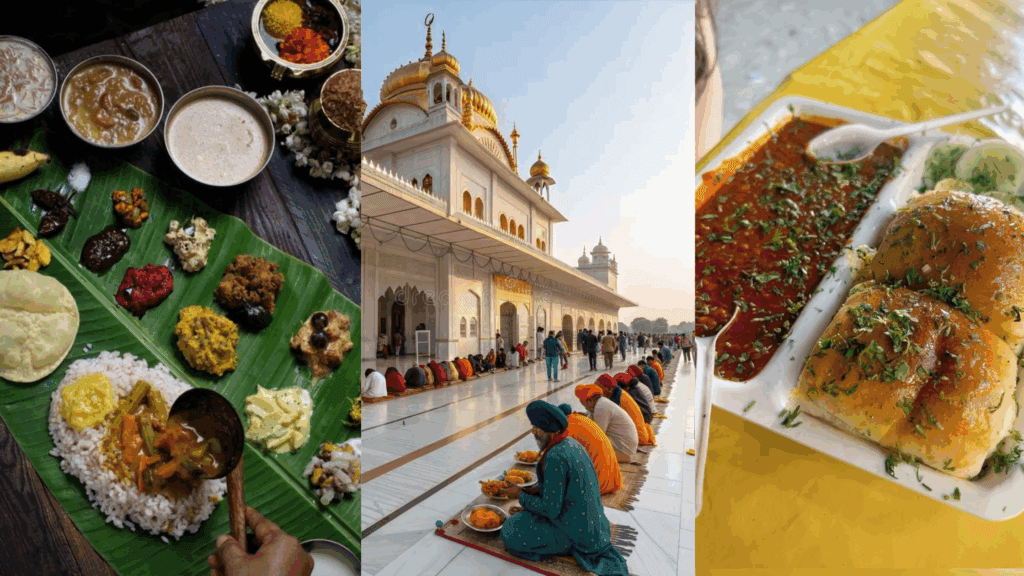
Enjoy a banana-leaf thali in Kerala, try community langar at Amritsar’s Golden Temple, or share street food at Mumbai’s Chowpatty Beach.
Crowded, or Connected?
India can feel busy, even overwhelming.
But crowds aren’t just chaos. They’re community.
Markets are meeting places.
Families often live across generations together.
Negotiating in shops is part of the relationship, not rudeness.
It’s closeness lived out loud.
Listening Makes the Difference
Many visitors want to look.
But the real magic is in listening.
Ask your guide:
- Why is this festival celebrated?
- What’s the meaning behind this food?
- Why do people greet each other this way?
Most will be delighted to share. Because these stories matter.
Interactive Prompt: Slow Down and Ask
On your tour, don’t rush to the next sight.
Stop. Watch. Listen.
Ask a question you wouldn’t find in a guidebook.That’s where real understanding starts.
Why We Care About This at Passport Lifestyles
Because anyone can show you places.
We want to help you understand them.
When you know why lamps are lit at dusk, why spices are blended a certain way, why families celebrate together, your trip isn’t just scenic.
It’s personal.
It’s memorable.
Bring Home More Than Photos
India doesn’t want you to just visit.
It wants you to feel welcome.
At Passport Lifestyles, we help you go beyond the guidebook.
So you don’t just remember what you saw.
You remember what you understood.
Contact us today to start planning a journey that goes deeper.




irkc52
3ke66i
1udogo
bmv8ik
tcjr6t
qm7rbv
f9mjfw
lhmyvr
5yk6sp
cm9lyu
z4dgzg
skk6za
s7gzbt
5xeo7l
5wvnup