
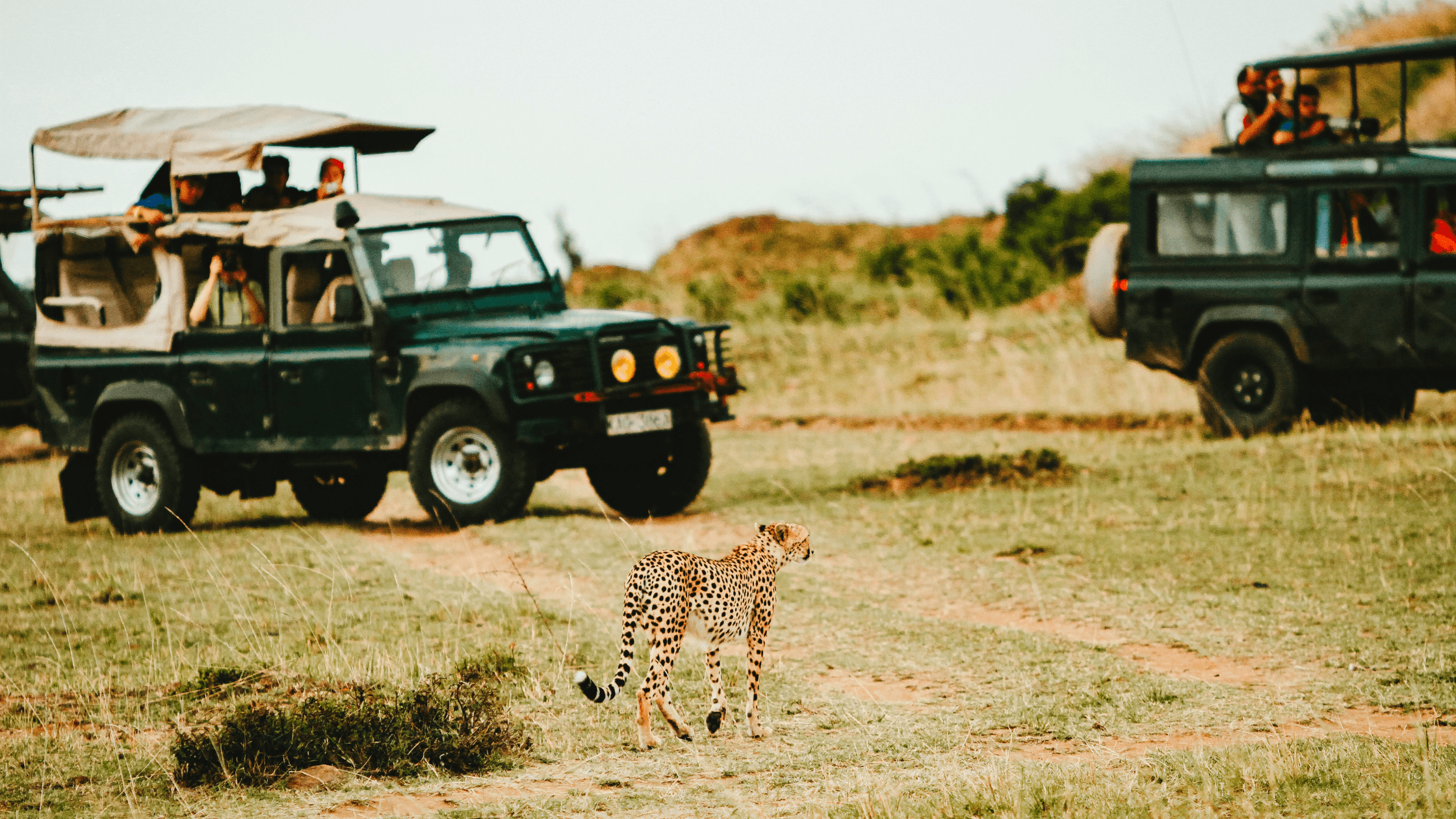
Where India’s Wild Heart Beats
Imagine a landscape where bamboo thickets sway in the breeze, dry leaves crackle underfoot, and dawn breaks not with city noise but with the calls of peacocks and langurs.
An Invitation to India’s Wild Soul
Tadoba Andhari Tiger Reserve is not just a national park—it is a living, breathing testament to India’s enduring wilderness.
For the thoughtful traveler, Tadoba offers more than sightings. It offers understanding. It asks you to become part of the landscape, to listen for clues in silence, and to appreciate that true wildlife travel is about patience and wonder.
“There’s nothing quite like the stillness of a Tadoba dawn, broken only by the alarm call of a deer warning of a predator nearby.”
Why Tadoba Stands Apart
India is home to many tiger reserves, but Tadoba has carved its niche among wildlife enthusiasts and conservationists alike.
- Expansive Territory: Over 625 square kilometers of protected land, with rivers, cliffs, and dense bamboo forests.
- High Tiger Density: Known for reliable tiger sightings, including families with cubs.
- Biodiverse Ecosystem: Supports leopards, sloth bears, dholes (wild dogs), marsh crocodiles, and 195+ bird species.
- Authentic Experience: Less commercialized than some parks, preserving a raw, untamed quality.
Did You Know?
The name “Tadoba” comes from Taru, a local tribal deity. The park’s preservation owes much to the indigenous communities who have respected and protected these lands for generations.
Core and Buffer Zones: Two Faces of the Forest
Tadoba’s unique structure enhances its conservation goals while giving visitors varied experiences.
Core Zone:
- Highly protected, strictly regulated.
- Home to critical habitats where wildlife thrives.
- Best chance for tiger sightings, especially in the dry season when animals gather at waterholes.
Buffer Zone:
- Surrounding forests that allow for wildlife movement.
- Fewer vehicles, making for quieter, more personal safaris.
- Opportunities to see smaller mammals and rich birdlife while learning about local human-wildlife coexistence.
Safari Insight:
Buffer safaris often give you time to appreciate the subtleties of the forest, from pugmarks in the dust to the alarm calls of watchful deer.
Wildlife Encounters in Tadoba: More Than Just Tigers
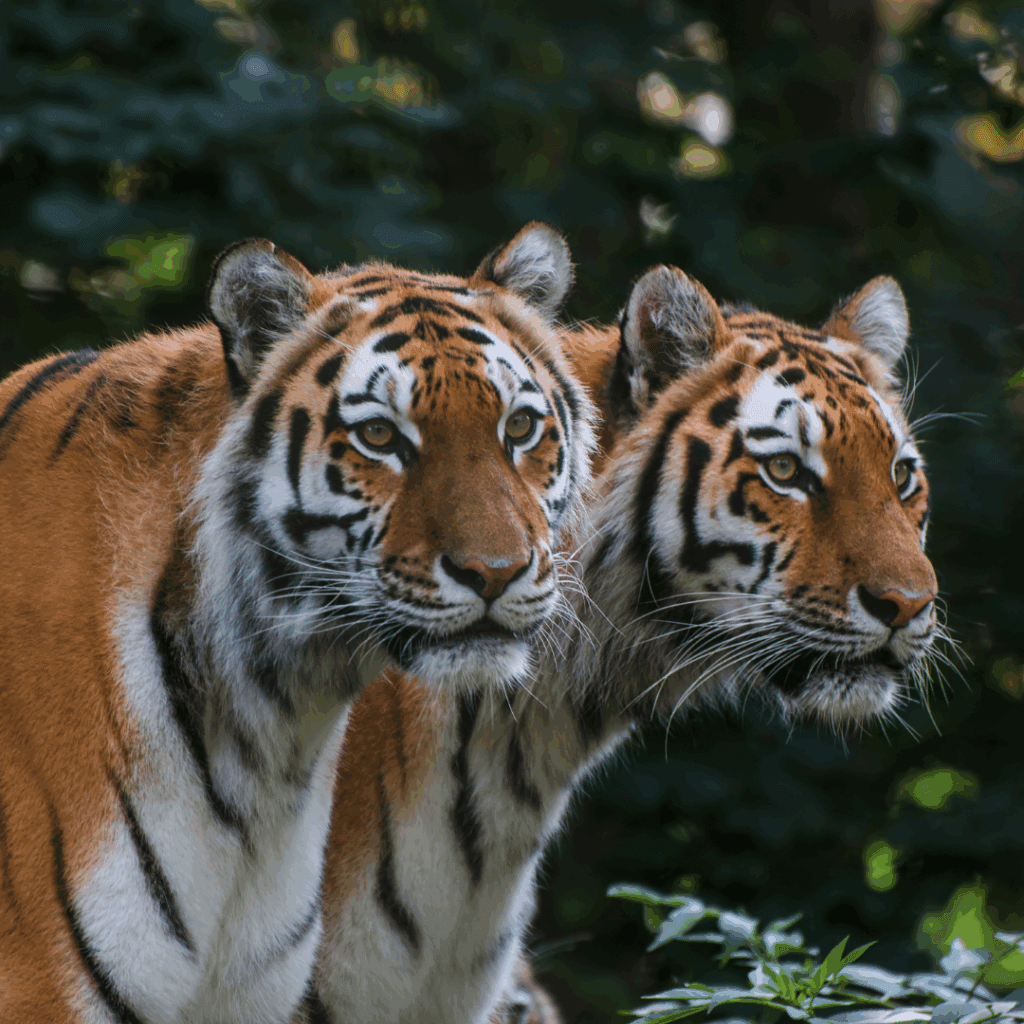
Bengal Tigers: The park’s star attraction. Frequently seen at dawn or dusk, these majestic cats are often found lounging by waterholes during hot afternoons or moving through bamboo forests on the hunt. Experienced guides track them using fresh pugmarks and alarm calls from prey animals. Tadoba is famous for reliable tiger sightings, including mothers with cubs.
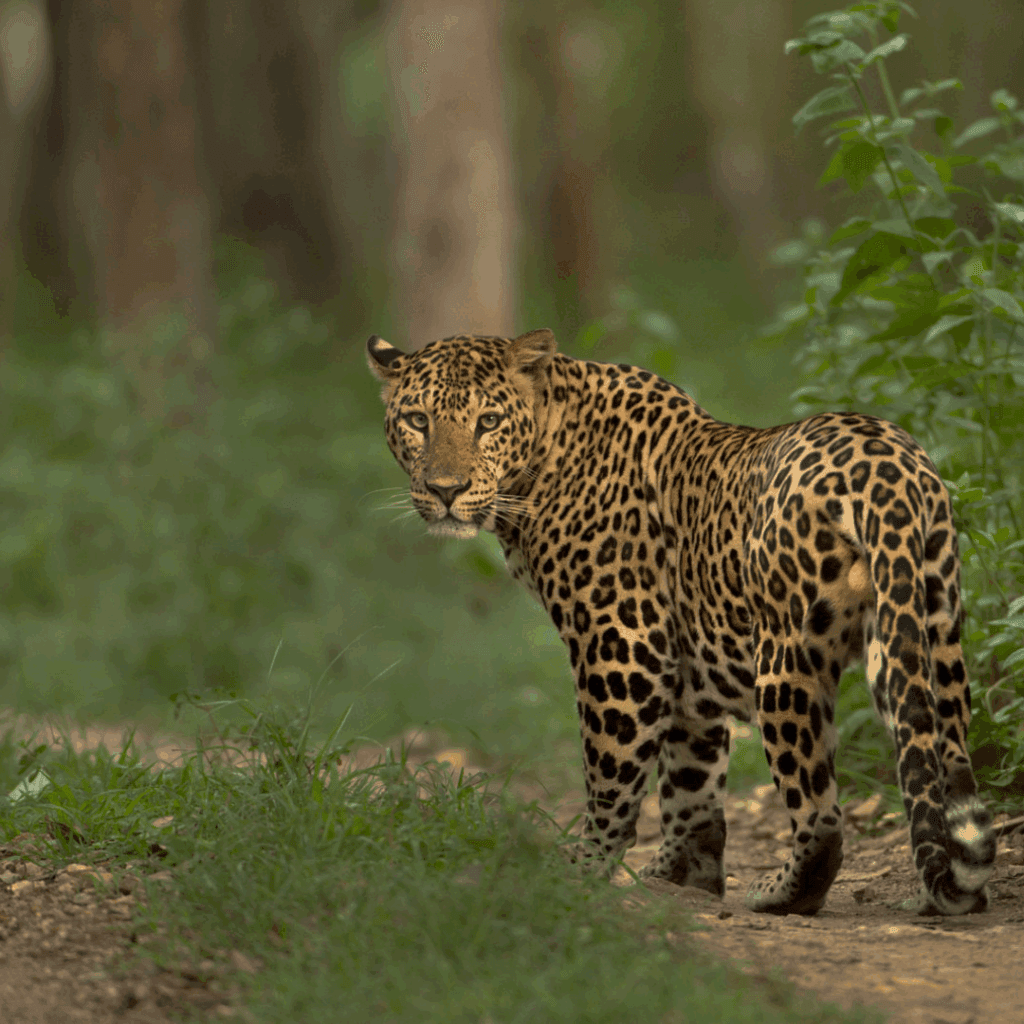
Leopards: Elusive and beautifully camouflaged, leopards prefer rocky outcrops and dense undergrowth. Sightings can be sudden and dramatic, especially in the quieter hours of dusk when these stealthy hunters become active.
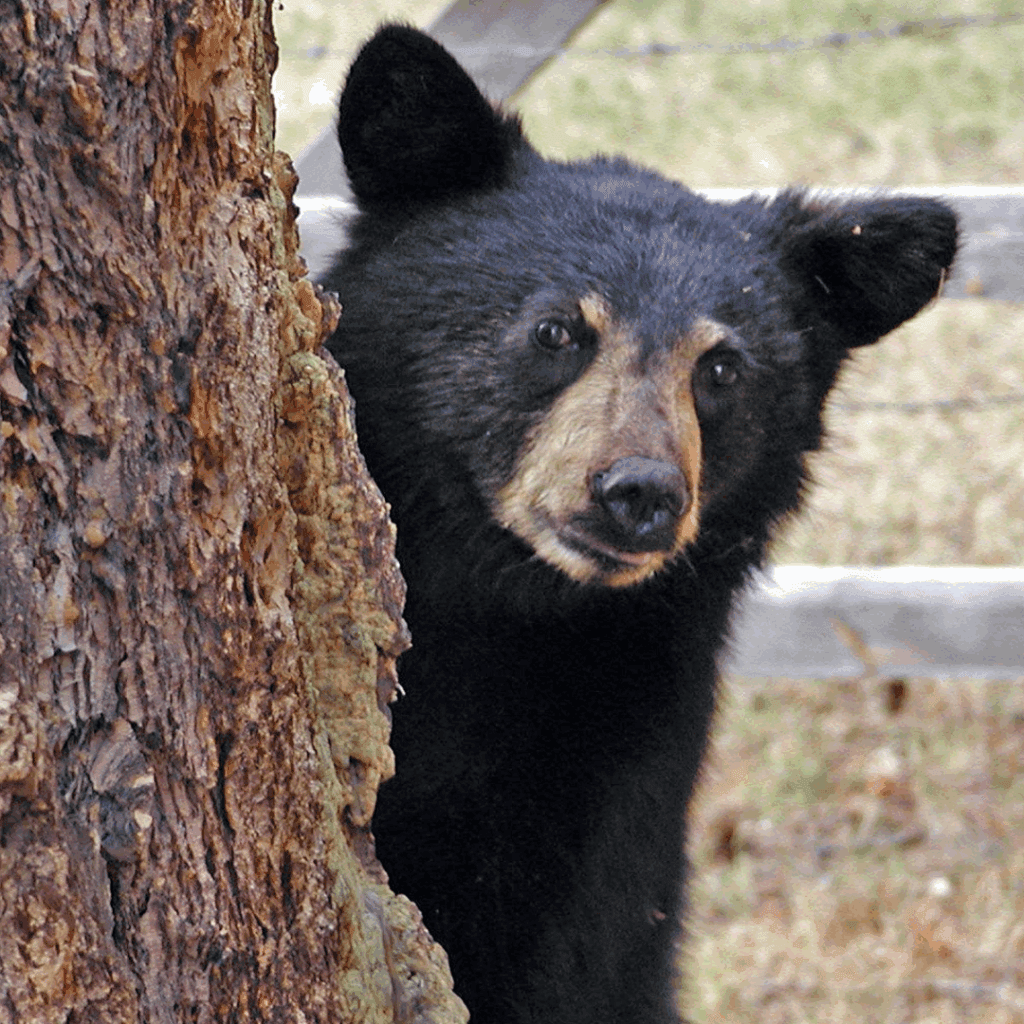
Sloth Bears: Shaggy, black-coated, and surprisingly shy, sloth bears forage for termites and wild fruits. A special sight is a mother carrying her cubs on her back through the undergrowth—a real highlight for patient wildlife watchers.
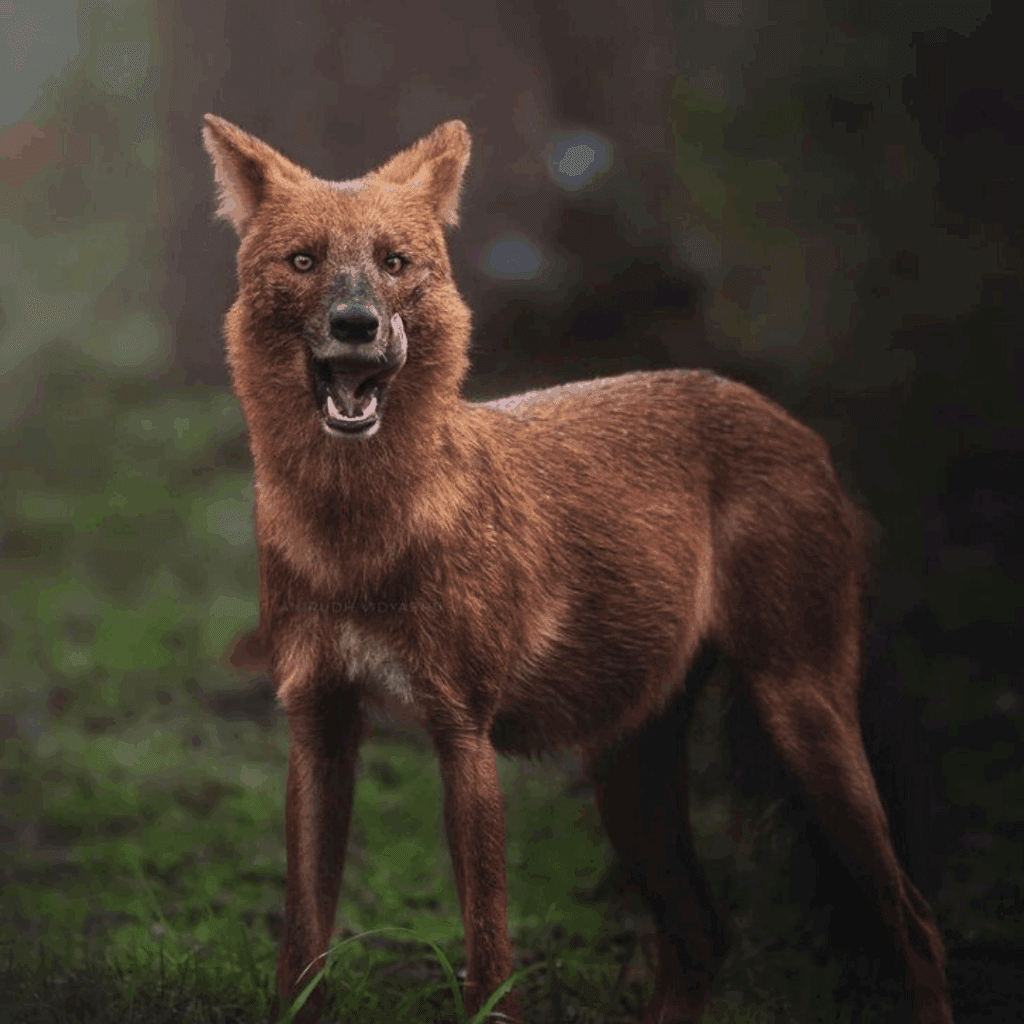
Dholes (Indian Wild Dogs): Highly social and intelligent, these agile hunters move in coordinated packs. Watching them strategize during hunts or playfully spar is an exceptional wildlife experience that showcases the park’s predator diversity.
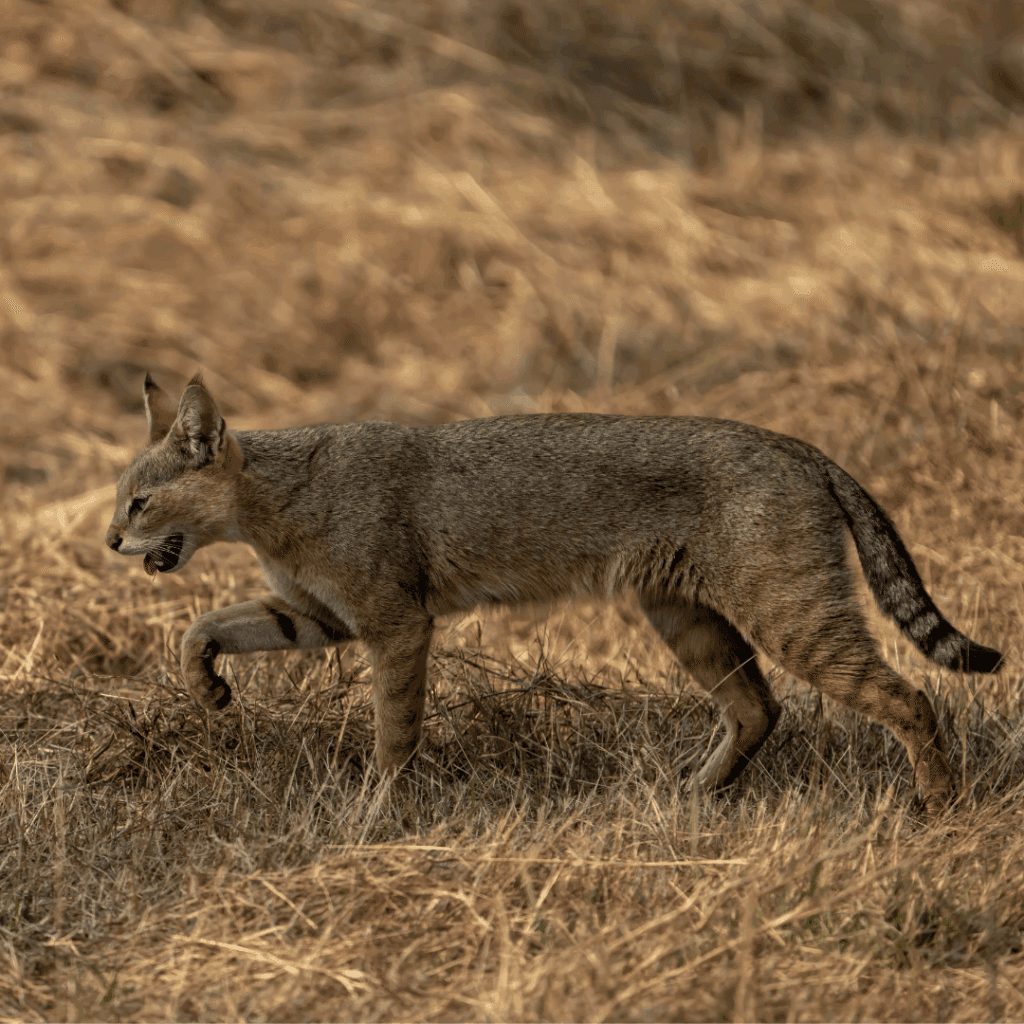
Jungle Cats: Smaller but no less captivating, these solitary hunters patrol grassy clearings and bamboo fringes. With their upright, alert ears and subtle striping, they’re excellent at ambushing small prey like rodents and birds.
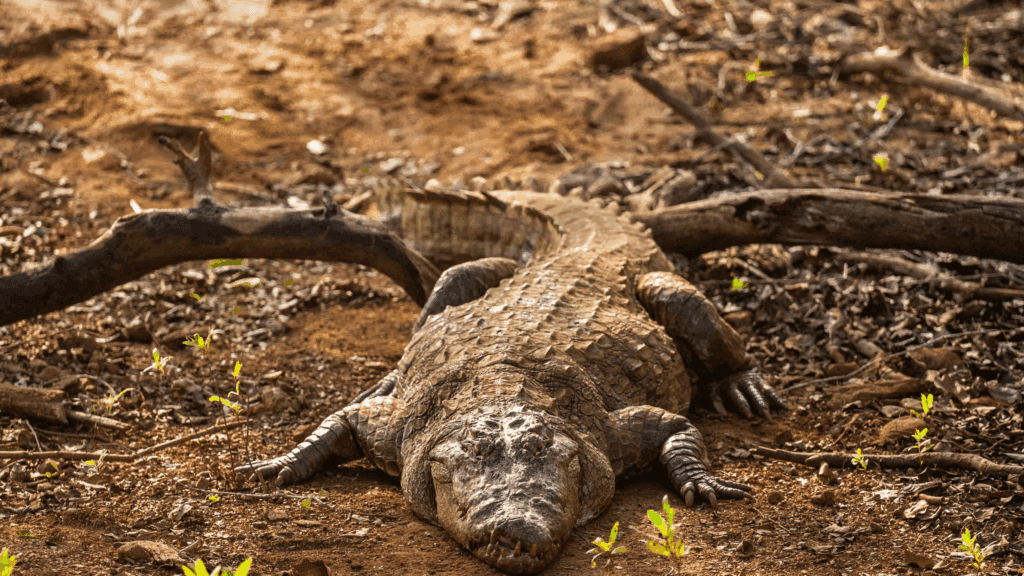
Reptiles: Marsh crocodiles are often seen basking along lakes and riverbanks, their ancient profiles blending seamlessly with the landscape until they slip silently into the water. Monitor lizards can be spotted basking in the sun on rocks, while various snake species help maintain ecological balance.
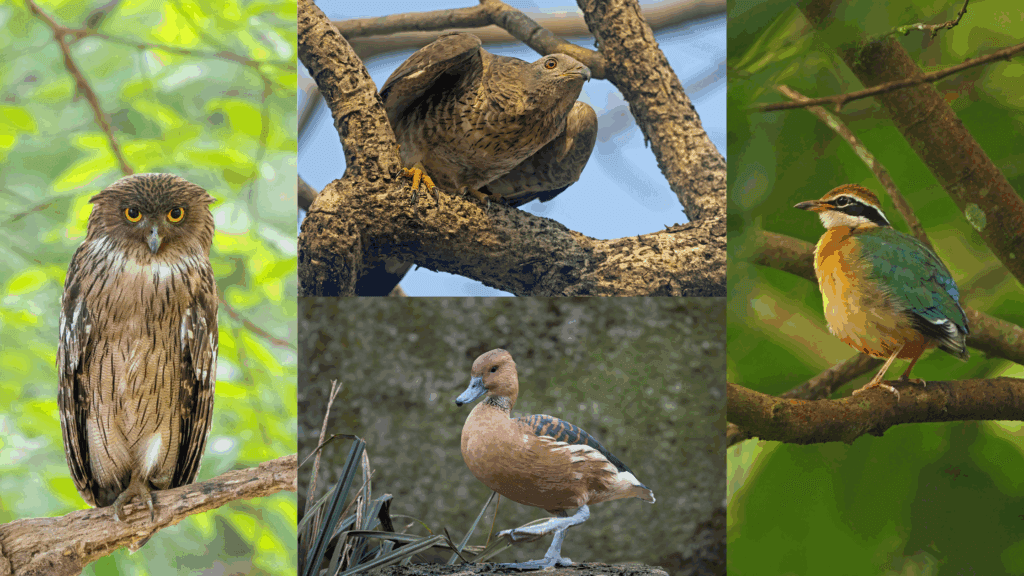
Birdlife: Over 195 recorded bird species make Tadoba a paradise for birdwatchers. Safaris may reveal:
- Crested serpent eagles circling high above, scanning for movement.
- Indian pittas flashing brilliant green and blue among low branches.
- Paradise flycatchers with their long, elegant tail feathers darting through the canopy.
- Storks, egrets, and herons wading in water bodies.
- Vibrant kingfishers perched by streams.
- Flocks of migratory visitors add seasonal color and sound.
Did You Know?
Naturalists in Tadoba can often identify individual tigers by their stripe patterns—each tiger’s “fingerprint” is unique.
A Day on Safari: Immersive Encounters
Morning Safari:
- Depart before sunrise to catch predators on the move.
- Watch mist rising off waterholes.
- Track fresh pugmarks and listen for alarm calls that reveal hidden predators.
Afternoon Safari:
- Softer light is perfect for photography.
- Cooler temperatures bring animals out of the shade.
- Buffer zones become lively with bird activity and nocturnal creatures stirring.
Evening Lodge Life:
- Gather around a campfire to share stories.
- Enjoy hearty meals featuring local flavors.
- Listen to naturalists explain tracking techniques and conservation challenges.

Conservation and Community
Tadoba isn’t just a wildlife destination—it’s a conservation success story.
- Tourism is carefully regulated to reduce its impact.
- Core zones close during monsoon to allow undisturbed breeding.
- Local communities work as guides, trackers, and lodge staff.
- Eco-tourism has helped reduce poaching and provided sustainable livelihoods.
Knowledge Insight:
Community members often know the forest intimately, reading subtle signs in the landscape to anticipate animal movements.
Best Time to Visit
October–February: Pleasant, cool weather with green post-monsoon growth.
March–May: Dry season concentrates wildlife at waterholes, making for excellent tiger sightings (though temperatures soar).
June–September: Monsoon season when the park largely closes, protecting habitats during breeding.
Travel Tips for Your Safari
- Wear neutral colors to blend with the environment.
- Carry binoculars for better bird and animal watching.
- Stay quiet in the vehicle—many animals are sensitive to sound.
- Listen to your guide. Local knowledge is the key to understanding what you see.
- Keep cameras ready, but respect wildlife distances.
Why Tadoba Matters
Tadoba is not a theme park. There are no guarantees or scripted encounters. Instead, it offers the thrilling unpredictability of real wilderness.
One moment, you might be staring at empty forest paths. Next, a tiger emerges from the bamboo, locking eyes with you for a fleeting, unforgettable second.
At Passport Lifestyles, we believe the real luxury of travel is understanding and connection. Tadoba gives you both – a chance to see India’s wildlife and to appreciate the delicate balance of conservation, community, and culture that makes it possible.
Contact us today to start planning your Tadoba National Park experience.





2aqrl5
fdpm2w
jkykrh
btg7di
ebqe0w
vhklee
gzkeyy
t7z66c
x9x9cn
mqyu7o
mqchst
socnvh
pab0wk
s6sy5i
uyyvsc
aslmyp
5hsnod
5vkkt0
7aw2ih
comx6c
lquh4e
zrwloo